75 Years of Creating Commonality
Last month, I spoke at the 75th SHRM conference, which, as always, was energizing and well run. There were more than 23,000 people in attendance, which I think is a record.
Last month, I spoke at the 75th SHRM conference, which, as always, was energizing and well run. There were more than 23,000 people in attendance, which I think is a record.

Continuous learning is a critical component of building a successful and inclusive workplace. While monthly awareness campaigns like Pride Month and Juneteenth provide opportunities to reflect on the experiences of others, true inclusion requires an ongoing commitment beyond singular learning events. In this blog post, we explore the value of creating a continuous cycle of learning and how it can transform workplace cultures throughout the

Imagine this conversation: Doctor: “We’ve reviewed the tests; our findings are in line with all of the other opinions. You need this operation. Without it, your life is at risk.” Patient: “This is exactly what I’ve been told; I did my research and know you’re the best. Just one question: How long will it take to perform the surgery?” Doctor: “The operation will last 3

Despite a heightened awareness of systemic inequalities driving the demand for diversity, equity and inclusion (DEI) training in the workplace, many studies have shown that it often has little impact on organizational culture change. This is because employers often treat DEI training as an event that employees have to suffer through — enroll, check the box and you’re done. That kind of exercise may satisfy

As 2022 starts, so does a new year of employee compliance training deliveries. Now is the time for organizations to consider how to make the time and expense invested in learning and time off the job be as productive and useful as possible. My prediction, though, is that all too many will stick with the status quo, deploying learning characterized by mounds of information and
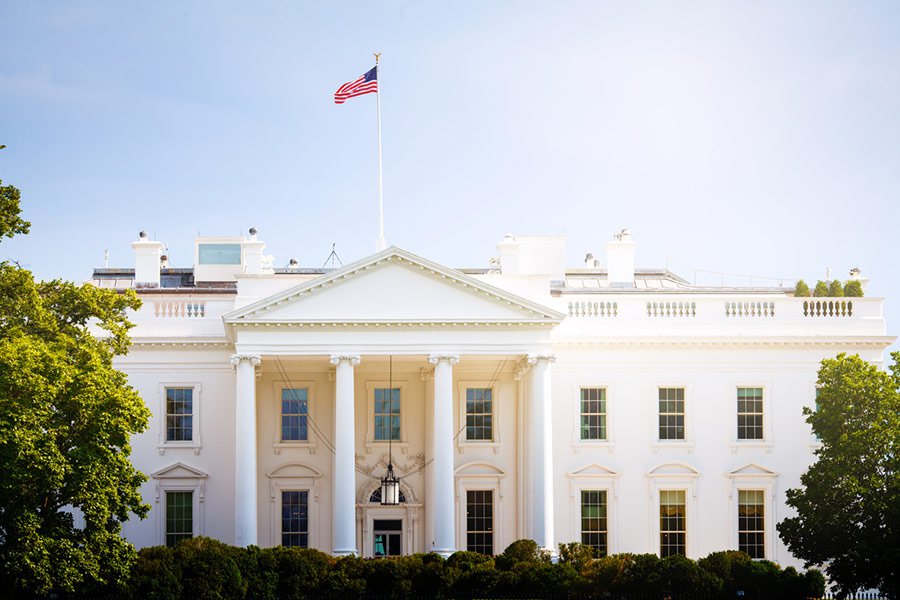
In the summer of 2021, President Biden signed an executive order mandating sweeping actions that promote diversity, equity, inclusion, and accessibility within the Federal Government. The order, titled Diversity, Equity, Inclusion, and Accessibility (DEIA) in the Federal Workforce, was signed on June 25, 2021 and signaled a significant change in how the government views and addresses DEIA issues with the federal workforce. A key element